It has been a while since I’d done a review and I finally squeezed out some time to do so. This time, with Canon’s smallest and lightest full-frame mirrorless camera, the newly released EOS R8 (Feb 2023). Said to be the successor of 2019’s EOS RP (mostly due to the similarities in size), this body is jam-packed with features that puts it ahead of any full-frame mirrorless camera in the market at its inexpensive price point. Feature and functionality-wise, this camera is closely compared to the EOS R6mkii (released in 2022) and this review will look into their similarities/differences that will eventually help you make your decision in getting either of these cameras.
As with all my reviews, all photos are taken by me, and subjects are wild and taken in the field. This review is based on my user experience solely for wildlife and macro photography, highlighting what I think is important for your decision making in choosing a camera for these genres. Locations of subjects will not be revealed for their protection.
First Look
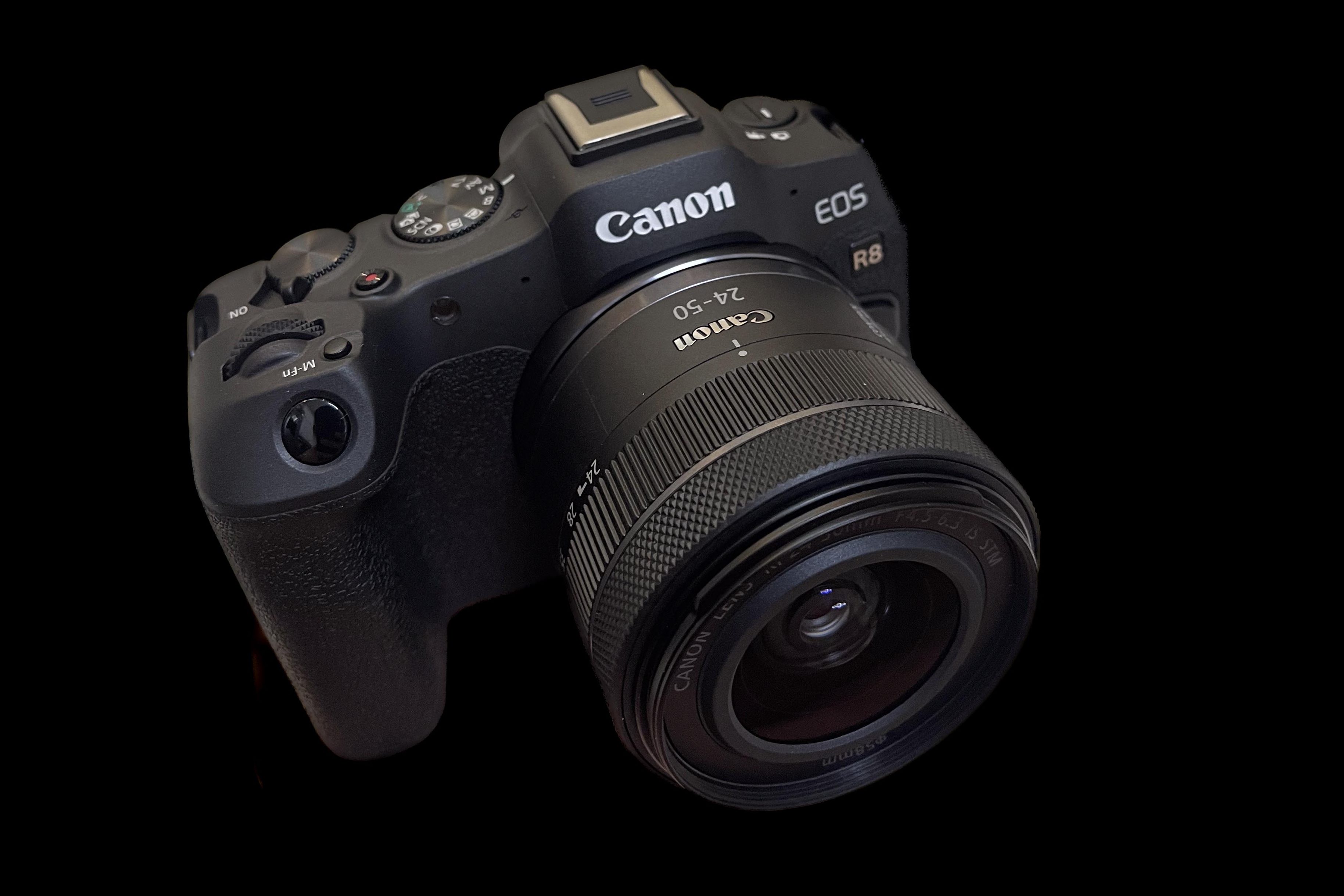
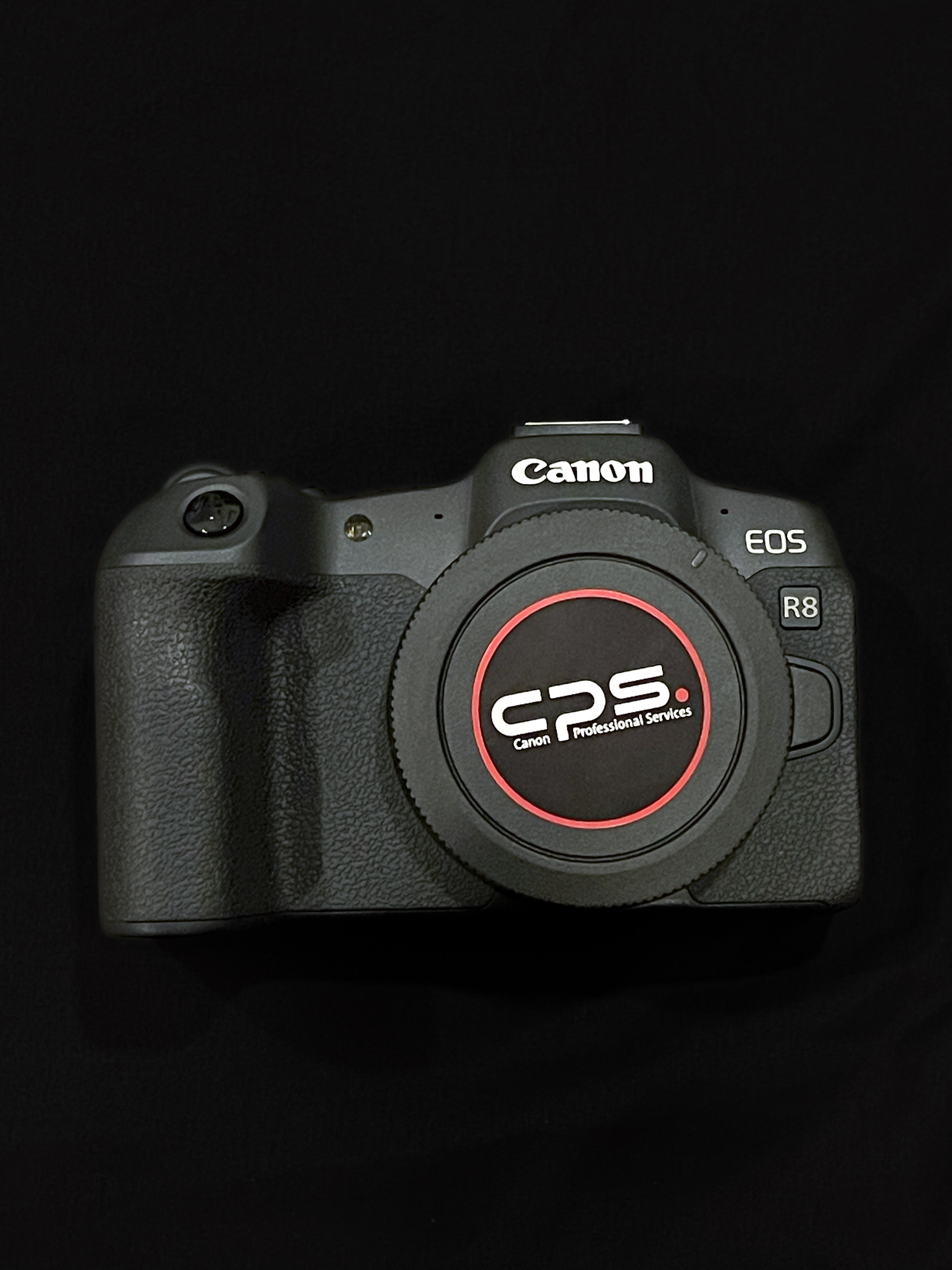
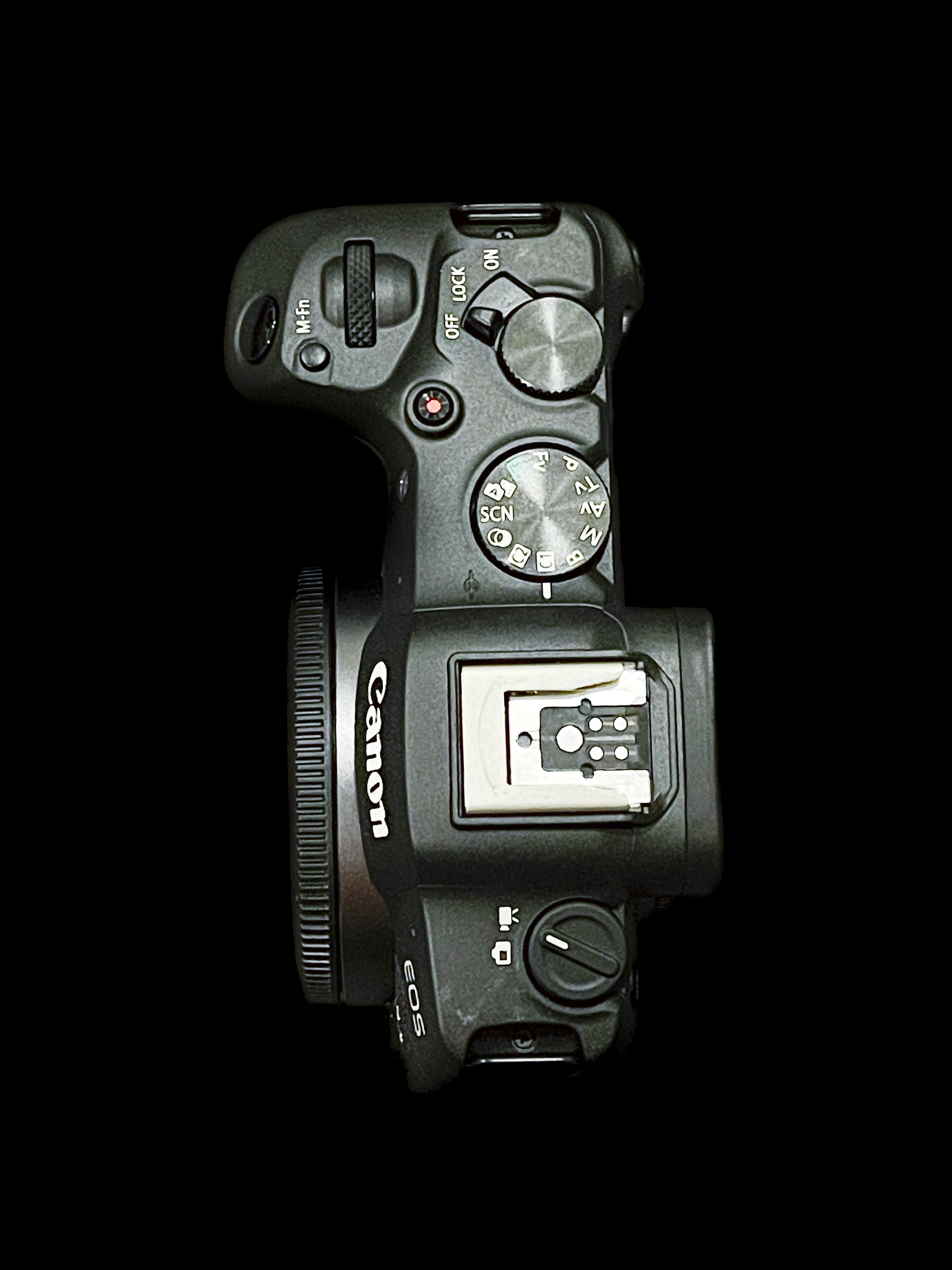
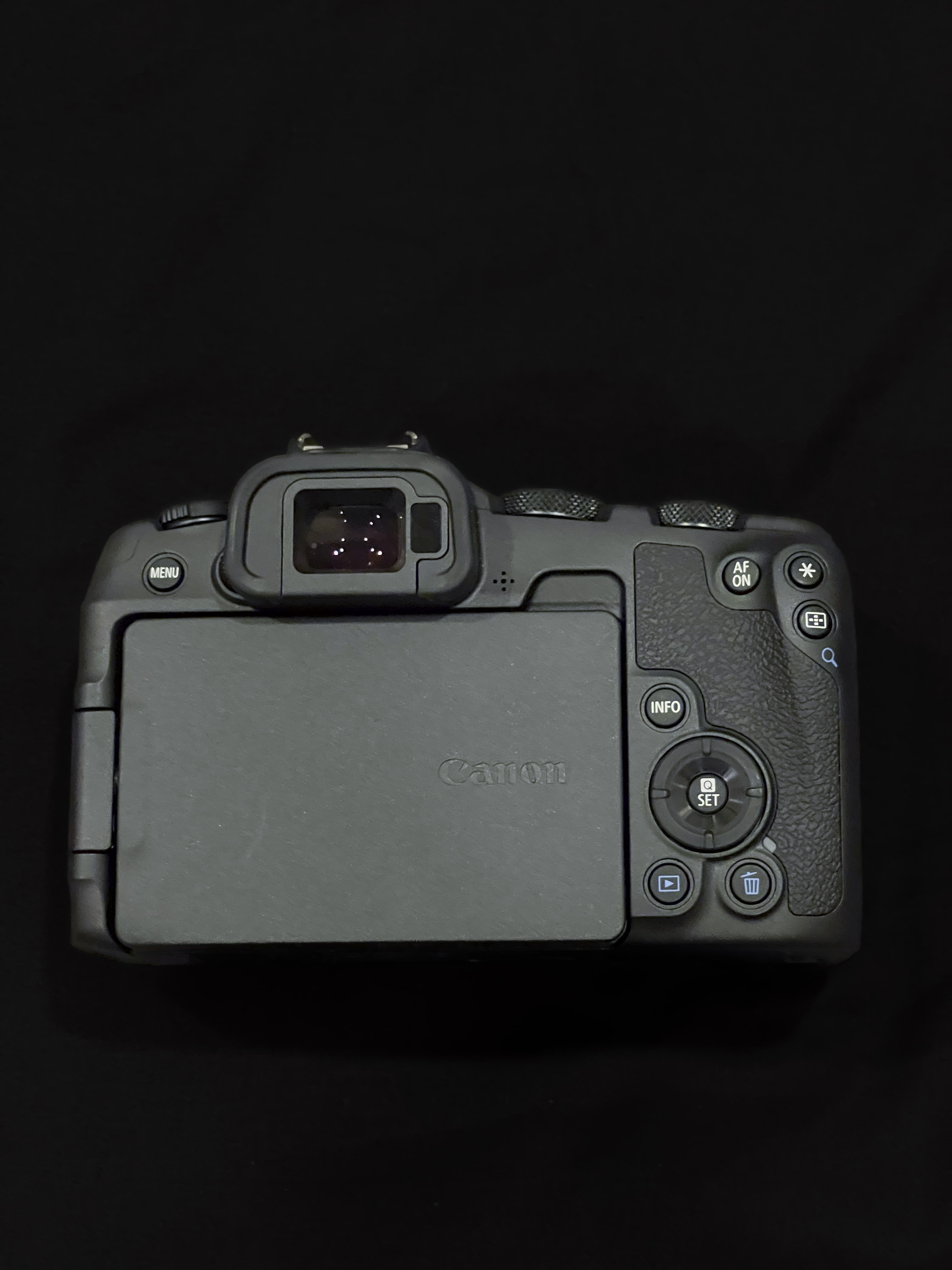
Picking this body up straight out from the box, you will be surprised at exactly how light it is. Weighing in at only 461g with battery and SD installed, it felt almost weightless as compared to my chonky EOS R5 (738g). The R6ii weighs in about 670g with the battery and 2 cards installed. Unsurprisingly, the buttons/dials and their placement are minimal to keep the body compact. As with all the new Canon R-series cameras, switching to video mode is fast and easy with the dial at the top of the camera.
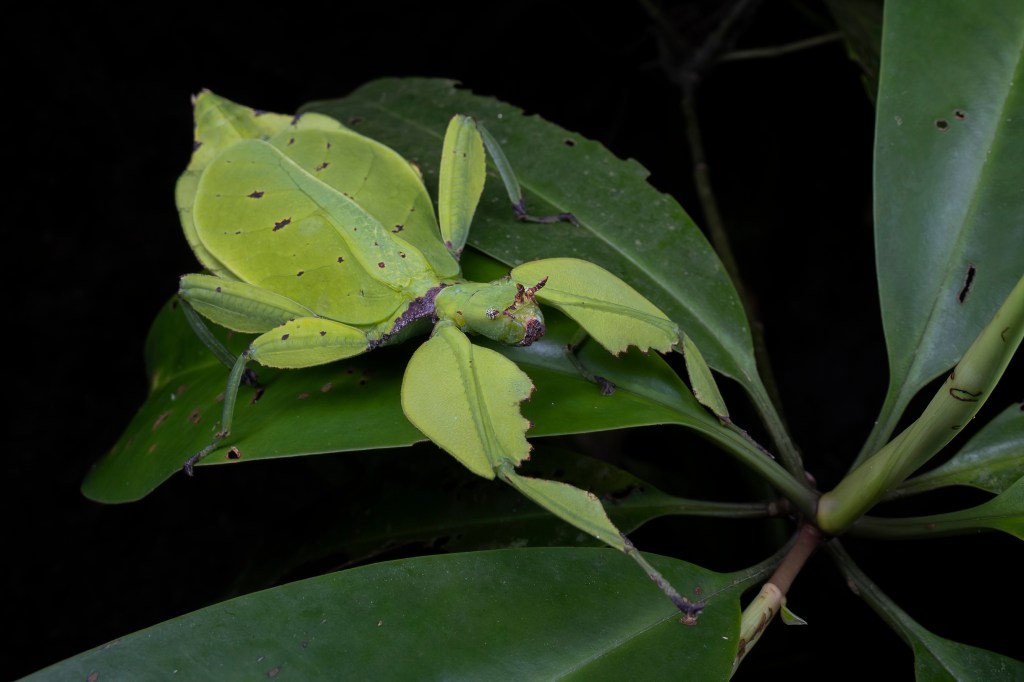
EOS R8 + Mount Adapter EF-EOS R + Laowa EF 15mm f4
1/125s, ISO 100, f/16
The body also has a 3″ 1.62m DOT Vari-Angle swivel touchscreen LCD which is particularly useful for shooting at rather unconventional angles when circumstances arise in the field. It also helps to get down to eye-level with your subjects for a different perspective. What is lacking (to my liking) is the 8-way multicontroller/joystick that allows easy moving of autofocus points as well as quick centering.
LP-E17 batteries are used to power this camera (same as the RP) and not the LP-E6 batteries most R users are used to. They are of lower capacity but will still give you a couple of hours in the field. Even so, the R8 allows USB charging straight from the camera. If you need extra juice, a portable power bank would work well. Another notable point is that both the EOS R8 and EOS RP were not designed for battery grips, thus Canon has not come up with any. However, since the two bodies share the same bottom dimensions, accessories (or 3rd party ones) for the EOS RP will fit the EOS R8 like a glove. 3rd party battery grips are available for the EOS R8..
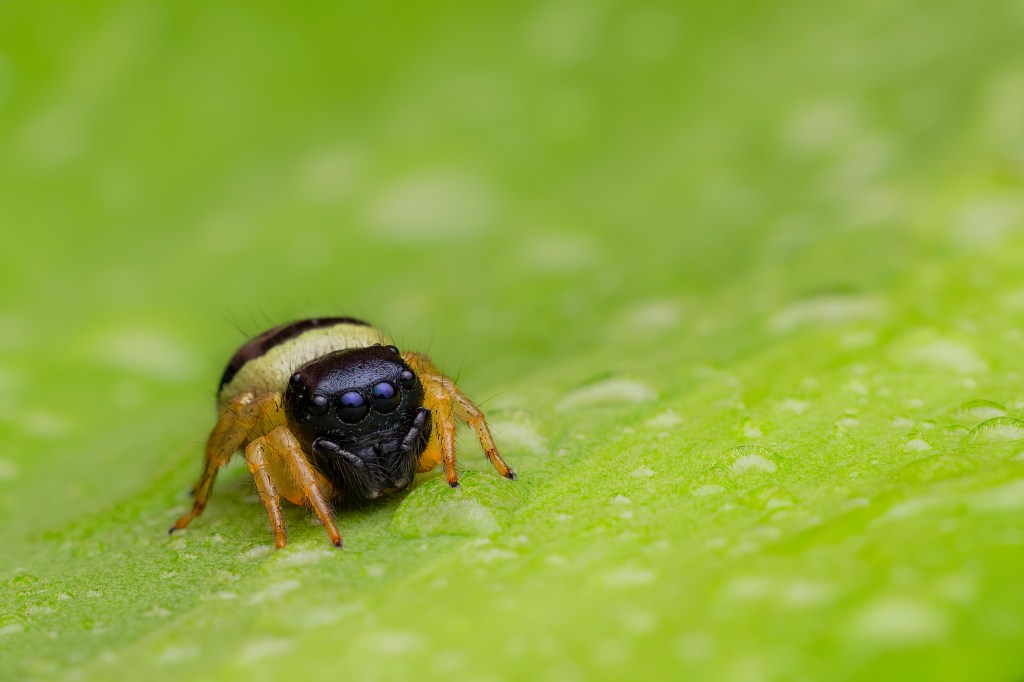
EOS R8 + RF 100mm f/2.8 L IS USM
1/125s, ISO 100, f/11
If you have larger hands and require one-handed operations just like we do sometimes in macro, the small body can make it difficult to reach buttons and may get your hand all cramped up. Canon’s EG-E1 extension grip just makes the body a tad larger for your pinky to rest and give yourself more stabilisation and comfort. Unfortunately, the battery housing and single UHS-II SD compatible SD card slot are located at the bottom, so if you have a grip on, it will be a hassle to access especially in the field.
Speaking of the single SD card slot, most wildlife photographers would in fact prefer to have two slots just like the EOS R6ii. It gives us the obvious increase in memory space when shooting in bursts, options to record video in one, photos in the other and also provide redundancy if required amongst other reasons. For the best read and write speeds, you would require a higher end v90 SD card which may get costly.
Image Quality and User Experience
The sensor in the EOS R8 is the exact same 24.2MP full-frame CMOS sensor you see in the EOS R6ii, powered by the same Digix X processor. Consequently, you may see very similar quality images but it is in the shooting experience that differs, which will covered later on. If you are looking for a stacked sensor like the one in the EOS R3, you will not find it in the EOS R8 or the EOS R6mkii, definitely not at this price point. However, it will take an experienced and keen eye to truly notice any warping in moving subjects due to the slightly slower readout speeds.

EOS R8 + RF 100-500 f/4.5-7.1 IS USM
1/80s, ISO 8000, f/7.1
The images coming out of this camera is nothing short of amazing. Photos came out tack sharp and it dealt with noise very well. Even at iso 8000 and some light noise reduction in post-processing, the images comes out absolutely clean. You will tend to get better low light performance with cameras with lower megapixels but even stretching the iso to 16000, I was getting usable images with a decent amount of detail.

EOS R8 + RF 100mm f/2.8 L IS USM | (2-image stack)
1/160s, ISO 100, f/11

EOS R8 + RF 100mm f/2.8 L IS USM
1/160s, ISO 100, f/11
24 megapixels (mp) isn’t a lot and most people (including myself) would tell you that in this day and age with the release of higher mp cameras, it is not enough for wildlife and macro photography. You will need higher mp to extract the most detail out of your subjects and to get more cropping power. Furthermore, being a full-framed camera, you get less pixel density as compared to a 24mp APS-C camera. That being said, an obvious work around would be to fill the frame. If faced with really tiny subjects relative to your 35mm sensor, slap on a diopter, close up filter or extension tube to shoot at a higher magnification. The Canon RF 100mm f/2.8 L IS USM lens grants up to 1.4x magnification, which is enough for most.
Digital Teleconverter
Both the EOS R8 and EOS R6ii come with this new feature that allows better framed shots by giving you a longer reach than your lens allows. It essentially works like a teleconverter that works internally and extends your reach to 2x or 4x. A photo shot at 500mm becomes 1000mm or 2000mm respectively. Images are not cropped but rather processed and digitally upsized to the set recording resolution. Pretty cool, but images can only be shot in Jpeg and autofocus points get limited to the center. Eye AF did not work wonders in this mode too.
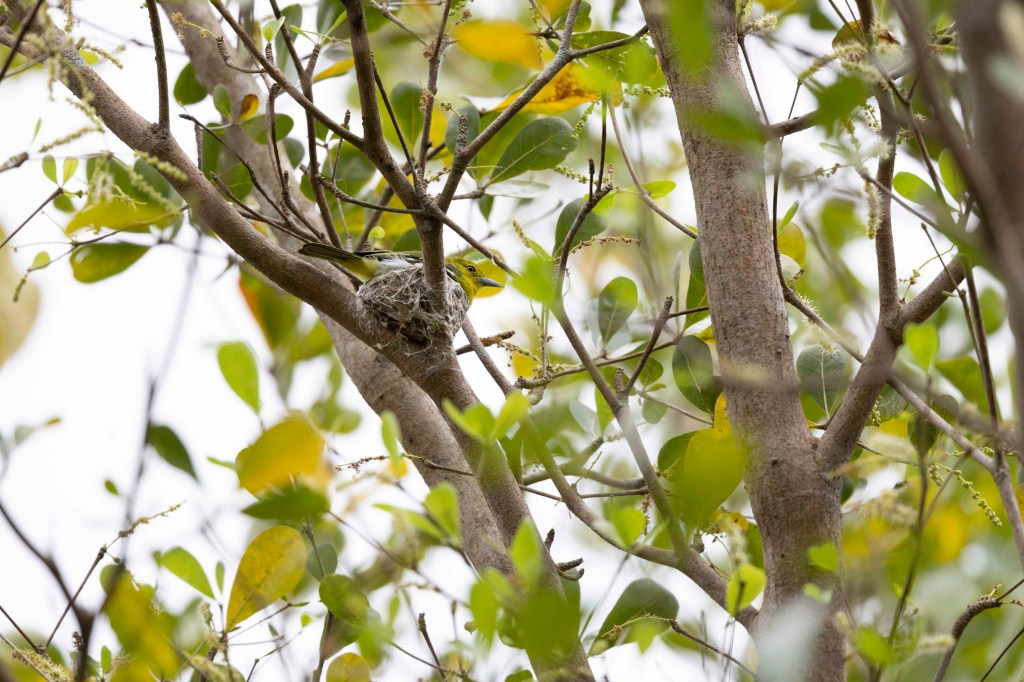
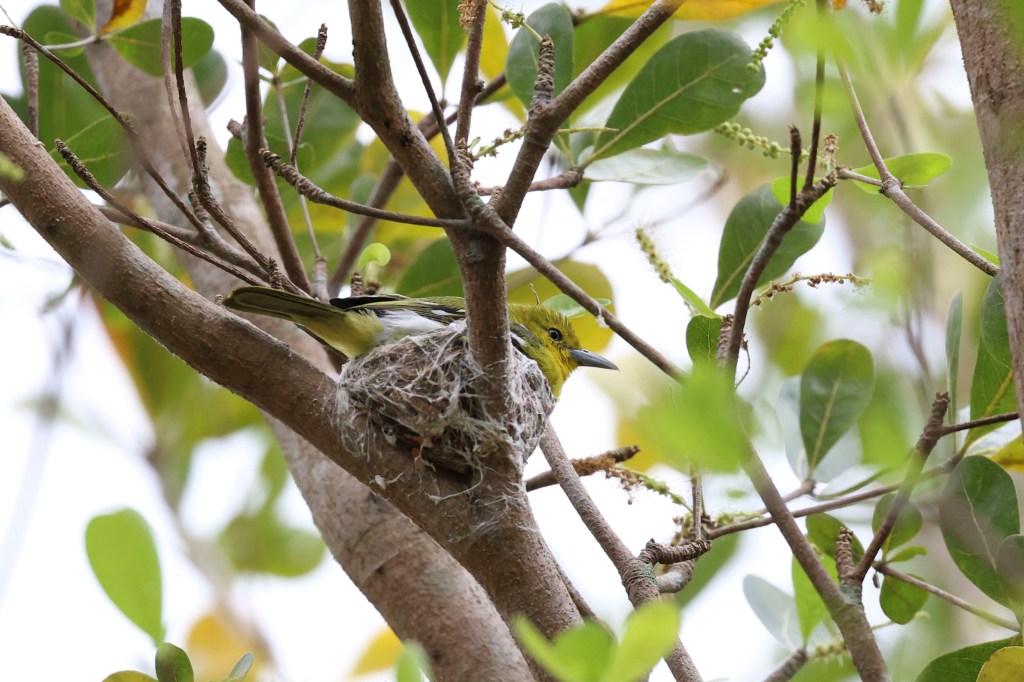
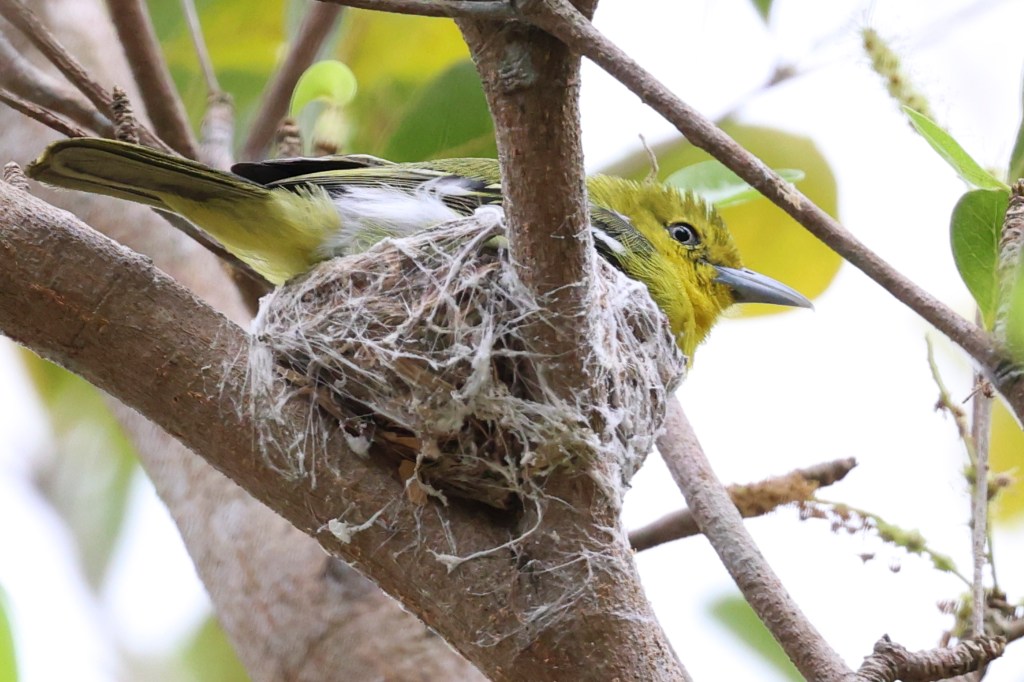
EOS R8 + RF 100-500 f/4.5-7.1 IS USM
1/320s, ISO 3200, f/7.1
As you can see, it works pretty well and you can get sharp images but slight softness starts to set in at 4x. Increase your shutter speed and your image should turn up sharper. I assigned this feature to a button for easy access and used it mainly on static subjects and not moving ones.
Weight and Ergonomics
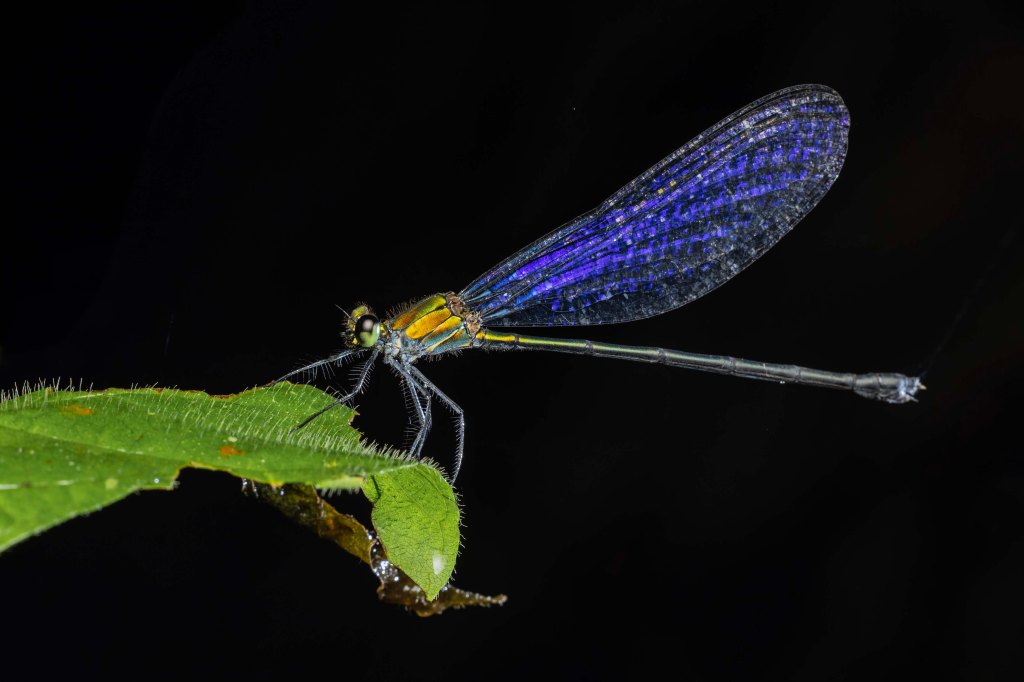
EOS R8 + RF 100mm f/2.8 L IS USM
1/125s, ISO 640, f/11

EOS R8 + RF 100mm f/2.8 L IS USM
1/160s, ISO 100, f/11
Needless to say the weight of the camera made one-handed operations so much easier and it was less taxing on the wrist. With more stamina for the night, it reduced tons of shake and motion blur that naturally comes with shooting at higher magnification. It also gives you more creative freedom to light up your subjects with your free hand using another flash.

EOS R8 + RF 100mm f/2.8 L IS USM
1/160s, ISO 100, f/11
Buttons are easily reachable and as with all Canon cameras, fully customisable. Custom presets, however, are limited to only 2, which is a downer since even the old EOS RP and new EOS R6mkii has C1-C3. Personally, I usually set one preset for static subjects, one for moving subjects and the last one for my macro work. After a day of shooting birds, I had to reconfigure the custom presets for macro or simply just shoot in full manual for my night shoot.
Being a light and small camera, if you intend to slap on a large prime and shoot handheld, expect to be thrown off balance a little as most weight would come from the lens. I had no issues with the RF 100-500mm and all photos taken with that set up was done handheld.
Autofocus system
Here is where both the EOS R8 and EOS R6ii shine, the autofocus (AF) system is phenomenal. Both cameras incorporate the same advanced AF system from the EOS R3 (allegedly the current flagship) which has an improved deep learning engine which takes subject tracking and accuracy to a whole new level. Besides dual pixel AF II and eye af, Canon added a few more subject modes to suit your liking as well. The EOS R8 however, has a new tap to select subject mode which is very useful for a quick switch of a subject to track when they are in the same frame.
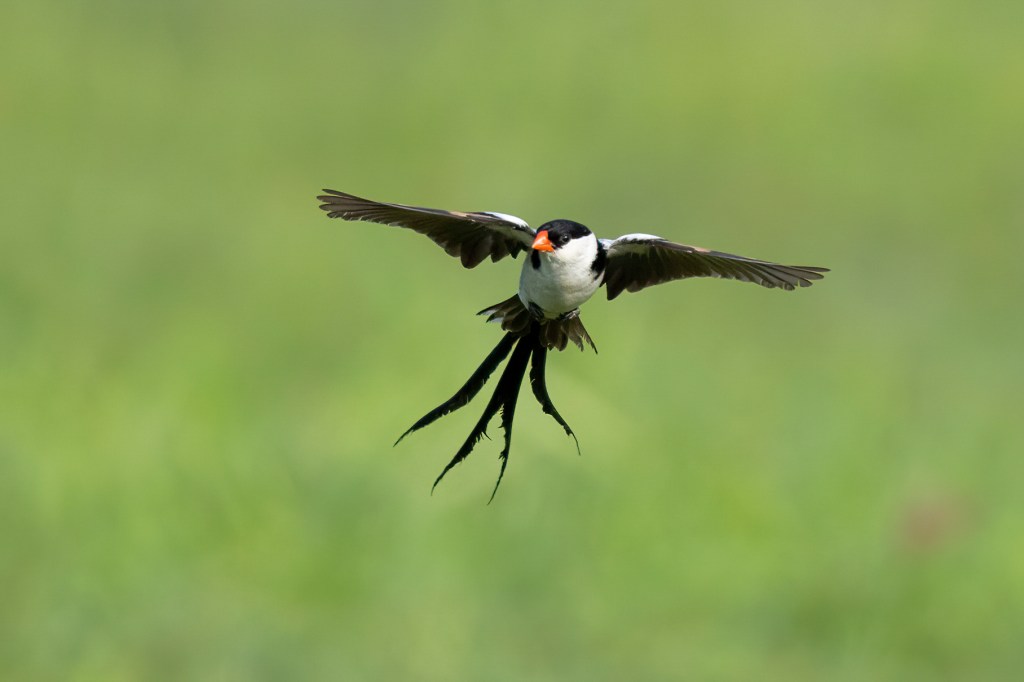
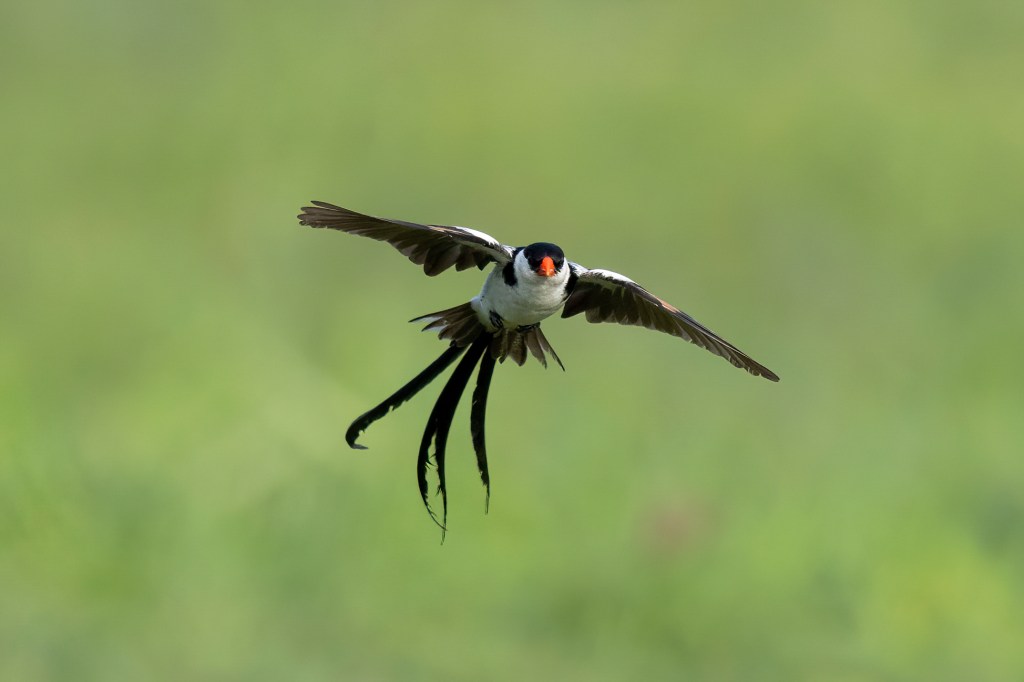
EOS R8 + RF 100-500 f/4.5-7.1 IS USM
1/4000s, ISO 1600, f/7.1
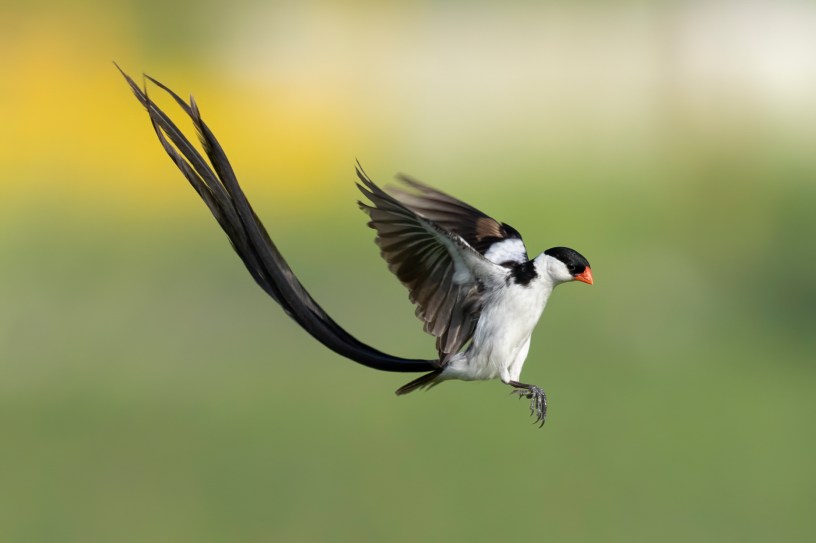
I took the camera and the EOS R5 out to photograph the courtship display of the Pin-tailed Whydah and the EOS R8 knocked the EOS R5 out of the park when it came to quick acquisition and accuracy of subject tracking. Most AF systems I have tried, including my trusty R5, sometimes struggle with sticking to the subject’s eye when the subject is coming directly at me at higher speeds. The hit rate with the R8 was much higher and images came out sharp.
Frames-per-second (fps)
The EOS R8 is able to shoot 6fps with the first curtain electronic shutter (max 1/4000s) and a staggering 40fps electronic shutter (max 1/16000s and allows step down to 20fps or 5fps), all in 12-bit RAW. The EOS R6ii is very similar, with the slight difference of having a 12fps mechnical shutter capability as compared to the 6fps of the EOS R8. The buffer however, is smaller and slower than in the EOS R6ii. Especially when shooting at 40fps, the buffer fills up fast. At 100 iso, the EOS R8 can manage about 40-56 raw files at a time and at higher iso settings which contain way more data, that number just continues to decrease. Especially in Singapore, there is hardly, or never a scene in the field where we are able to shoot an action sequence at iso 100 but if you shoot in small bursts with a faster card, this is not much of an issue. The EOS R6ii buffer enables almost up to 110 raw files. So that is something to consider if you frequently shoot prolonged action scenes.
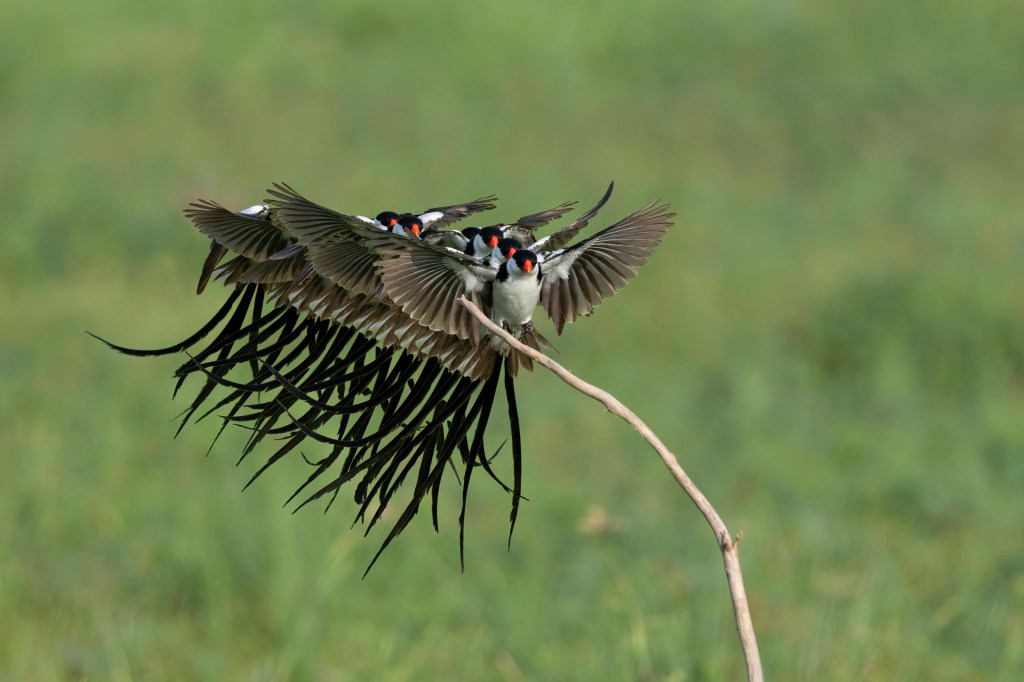
EOS R8 + RF 100-500 f/4.5-7.1 IS USM
1/4000s, ISO 1600, f/7.1
Furthermore, 40fps vs the 20fps in the R5 gave me so many more options in selecting exactly which frame I wanted. I never thought this was very important as 20fps seemed to be good enough but after using 40fps, I was spoilt for choice with so many images to choose from. I did a quick and dirty composite photo of the Whydah coming in to land, just showcasing all the frames I had in a single burst (the sequence stretched longer than this but the composite was getting too messy). Although the EOS R5, which has 45 megapixels gave me more detailed images, the EOS R8 gave me more shots in focus and the overall experience in how it performed was simply remarkable.
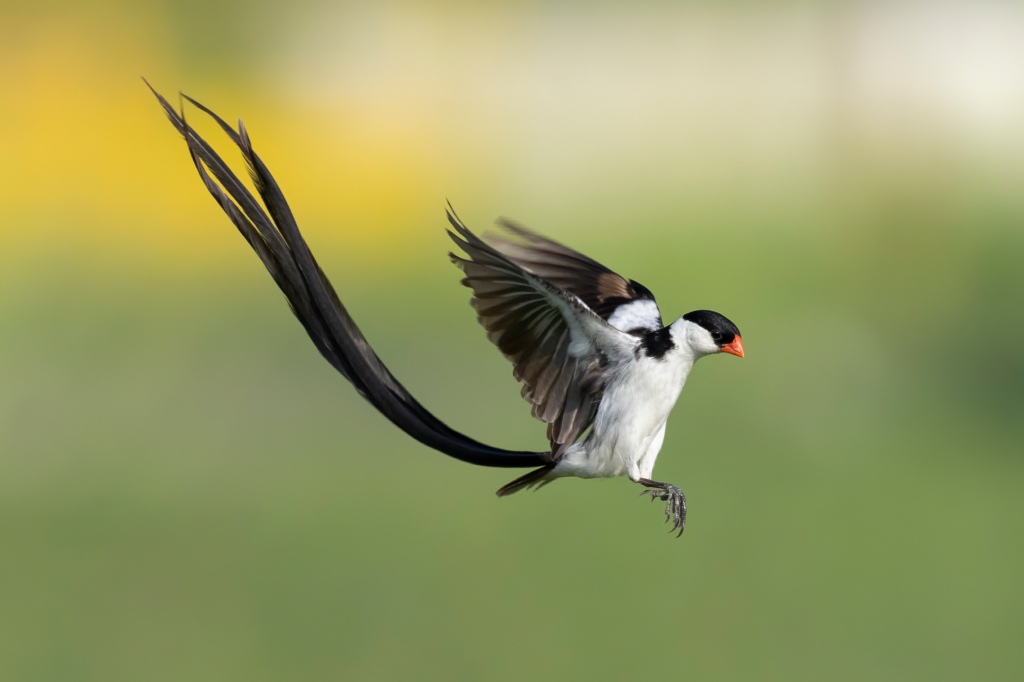
EOS R8 + RF 100-500 f/4.5-7.1 IS USM
1/2500s, ISO 800, f/7.1
Another point note is that Canon added a sound feature to the EOS R8 when shooting at high frame rates. This is not available in cameras like the EOS R5 and the 20fps is shot in complete silence. Sound is important especially when shooting action sequences using a dot sight (for more accurate and predictive tracking) without looking at the EVF or LCD screen. Why? because it tells us that the camera is actually firing and not locked up due to a filled up buffer.
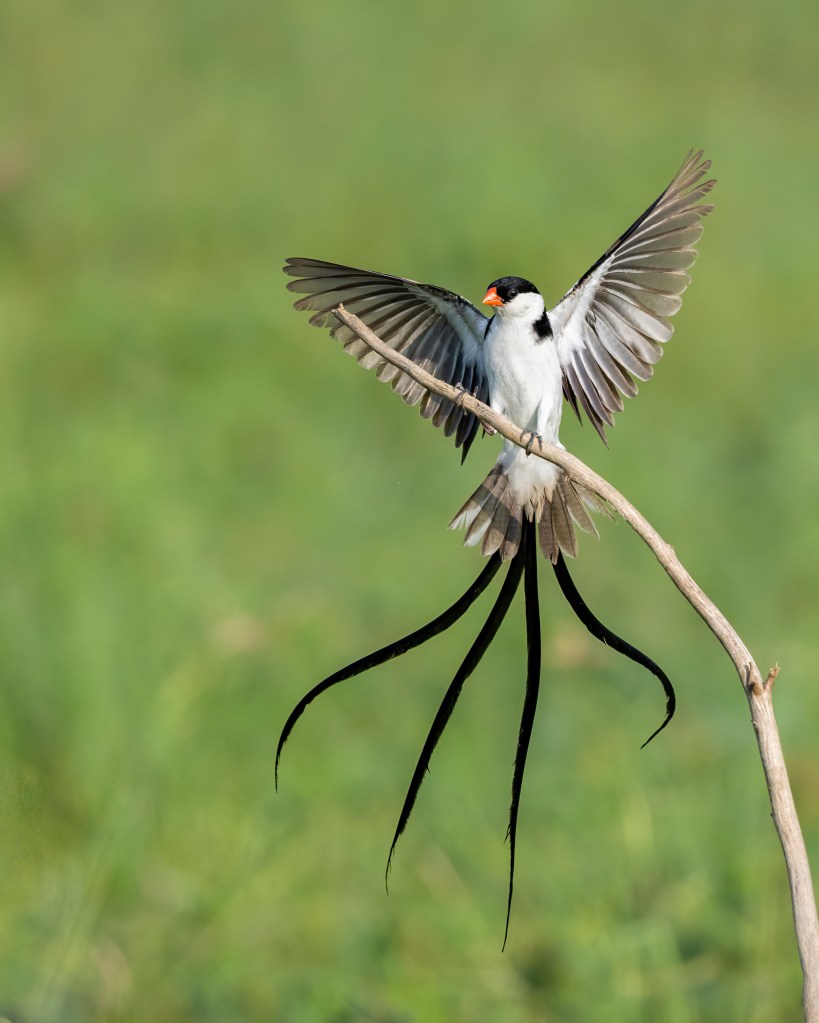
EOS R8 + RF 100-500 f/4.5-7.1 IS USM
1/4000s, ISO 1600, f/7.1
Unfortunately, the EOS R8 does not have the 5-axis In-body stabilisation (IBIS) like the one in the EOS R6ii. With some lenses, the EOS R6ii offers up to 8 stops of stabilisation and pairs with the lens IS. However, with such a light body, it is rather easy to minimise movement or simply just raise the shutter speed a little for sharper images. Even for higher magnification images at 1.4x with the RF 100mm f/2.8 IS USM lens, the images came out well. The EOS R8 only has electronic movie digital stabilisation which crops into the frame a little to stabilise your footage.
Raw Burst mode
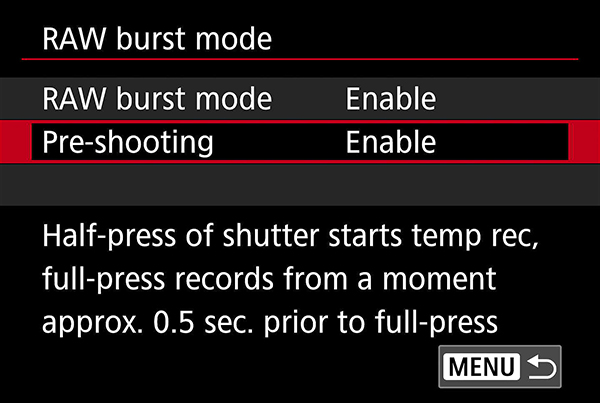
Just like the EOS R6ii, the EOS R8 is also equipped with Raw burst mode and Pre-shooting. Many users are aware of the existence of these features but not exactly how it works and how it may be incorporated in their workflow. Simply put, they are utilised for capturing the perfect (or exact) moment you are looking to capture.
In Raw Burst mode, everything is recorded with the electronic shutter and the process is same as you press the shutter, however, all raw files are saved in a singular raw burst file as compared to 100s or 1000s of CR3 Raw files. Basically, another way of file or data management. With pre-shooting enabled, your camera would begin recording images when the shutter is half-pressed. Once fully pressed, photos up to 0.5s before, would all be recorded as a single file. This is particularly useful for wildlife photographers looking to capture a bird taking off or a head turn of an animal and even precious feeding moments. I’m pretty sure most of us have had that moment where we just missed the moment because we pressed that shutter a millisecond too late.
After shooting an action sequence, I usually end up with thousands of files in my card and I have to either use a fast raw viewer or photoshop/lightroom to filter and pick my favourite images. With this singular raw burst file, it is much easier to find each sequence and neatly separate the sequence from other files of other subjects. You have two ways of extracting the images from this raw burst file. One, within the camera itself, just select the image(s) you want and extract them in your preferred format (Jpeg,Raw,Heif). Two, using Canon’s DPP (Digital Photo Profesisonal 4) software in your computer. Yes, it is one step more in post-processing, but it will save you a lot of time in your workflow.
Low light performance
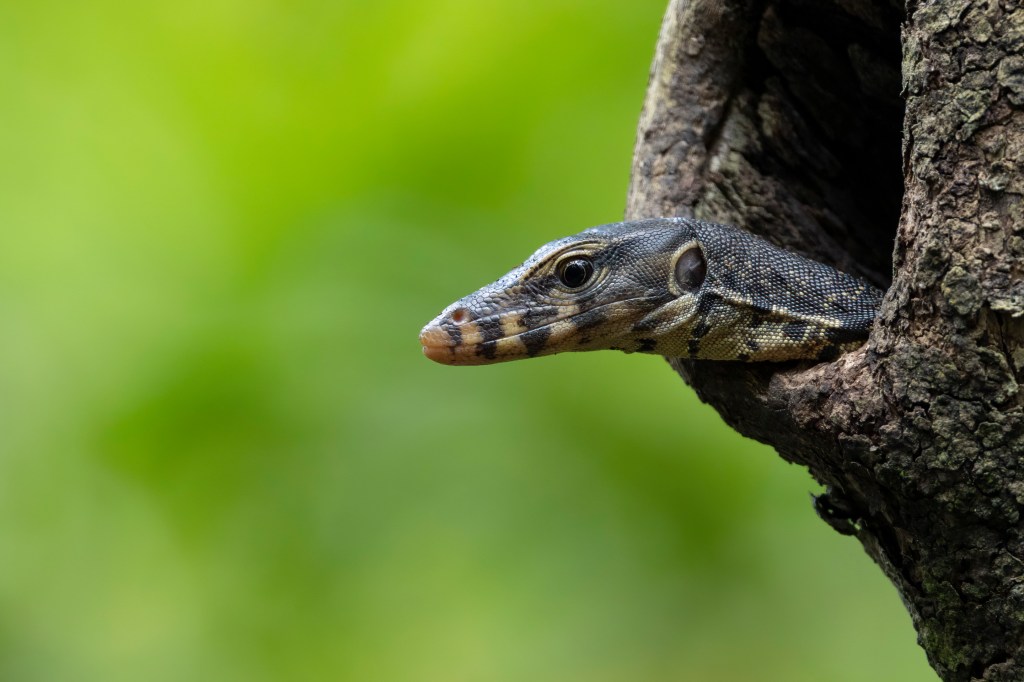
EOS R8 + RF 100-500 f/4.5-7.1 IS USM
1/100s, ISO 1600, f/7.1
The Af system focuses extremely well, even in low light, low contrast situations. The eye-af is so accurate and surprisingly even works for some arthropods with multiple eyes. Macro gurus would tell you that you need to manually focus for tact sharp images in macro, but with the current state of the art AF systems, a single spot AF will almost guarantee you a shot in focus.

EOS R8 + RF 100-500 f/4.5-7.1 IS USM
1/30s, ISO 5000, f/7.1
Summary
There is very little to dislike or criticise about the EOS R8. It is unheard off that the lightest full-frame camera in the world that is relatively inexpensive (SGD $2329), incorporates such a powerful AF system and fps capability only seen in the higher end full-frame mirrorless cameras. The Eye-AF is truly magical and the best I’ve ever seen in a camera. You will get the same Af system in the EOS R6ii but at a price of SGD$3619 and in the EOS R3 at SGD$8319. It is jam-packed with the latest technology and it is easily a good choice for a backup, or even a main body for the enthusiast. Considering what this camera is capable of, it is very reasonably priced.
The only caveats that will make the EOS R6ii a better choice are reasons that are mainly based on preference and shooting style. If having a single card slot or carrying around a different type of battery such as the LP-E17 irks you, then the EOS R6ii will be a better choice. The decision boils down to whether the differences are worth the extra SGD$1300.
If you are still one of the few who hasn’t joined the Canon EOS R family, this is the camera that you should be looking at. With the large backup of professional-grade RF lenses and the fluidity between the EF and RF line, the transition is in fact seamless.
You may view more specifications of the EOS R8 here and the EOS R6ii here.
View more of my work at my instagram page.
Do contact me if you have any comments or questions!
 Lenz Lim Photography
Thank you for this awesome review! You backed up your words with fantastic photography.
LikeLike